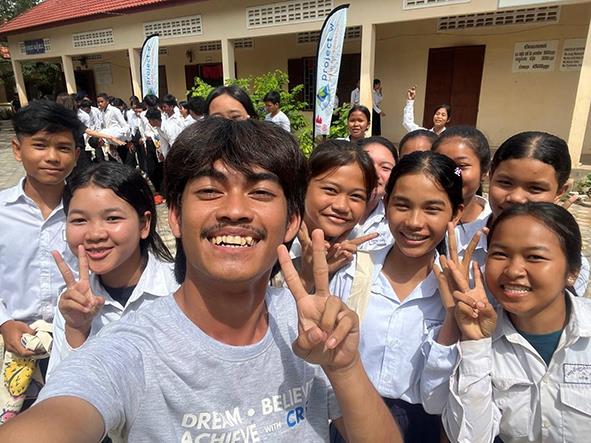
 Thanks to a Rotary-driven WASH (Water, Sanitation, and Hygiene) project, two rural secondary schools in Siem Reap Province, Cambodia have taken vital steps forward in health, sanitation, and education.
  At Samdech Tech Hun Sen Chan Sa Secondary School and Khnar Thnung Secondary School this initiative directly benefits 683 students, along with school staff and the wider community, by tackling long-standing sanitation challenges that have hindered student wellbeing and learning.
Meeting Urgent Needs with Practical Solutions
Before the project, both schools faced insufficient toilet facilities, a lack of access to clean drinking water in one school, and no formal waste disposal. Similar to rural communities in Cambodia, they faced the harsh reality of having no municipal waste collection, with waste either burned on school grounds or buried in shallow pits: practices that posed serious health and environmental risks.
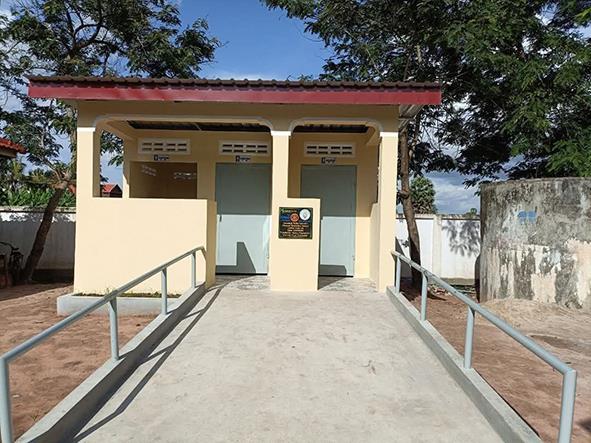
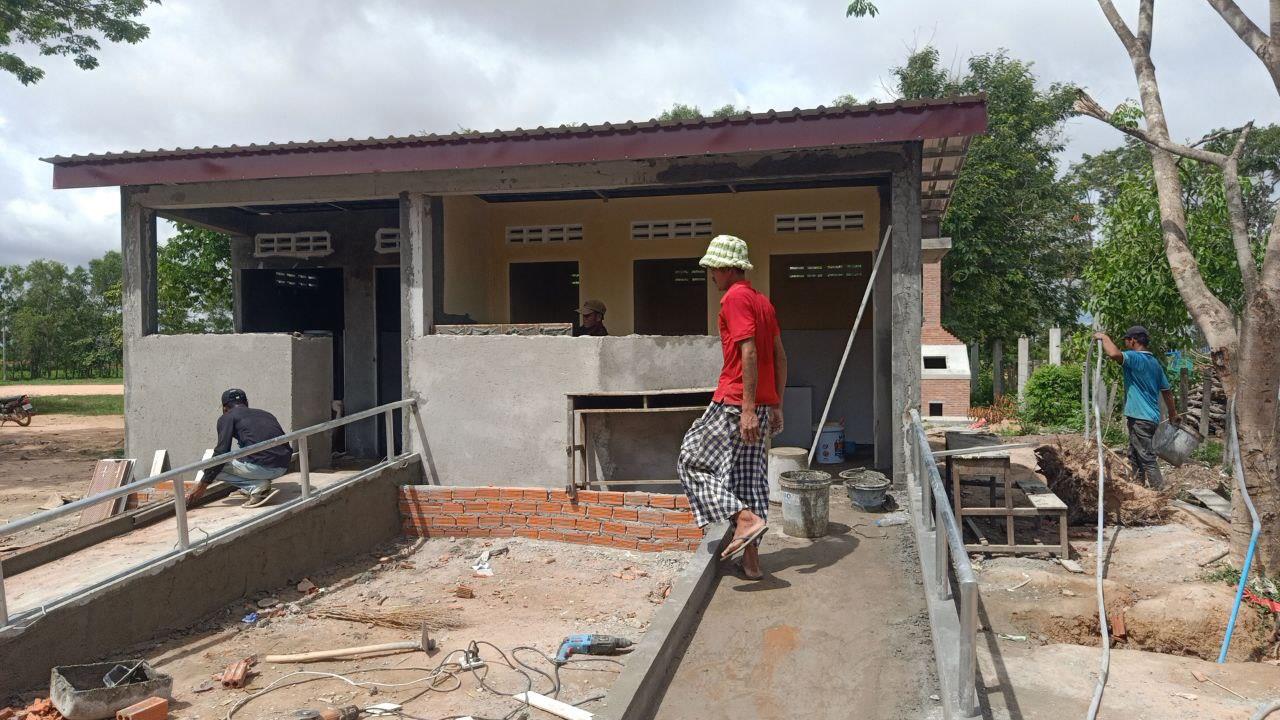
In response, each school was provided with septic tank latrines and one school received a bio-sand water filtration system, ensuring access to clean water throughout the year. Each school site was inspected to confirm infrastructure suitability, a year-round water supply, and consistent electricity for pumping and filtration systems.
Recognising the risks of open burning, high-temperature incinerators were also installed: a safer, more contained solution requested by the local communities and formally endorsed by school directors, village leaders, commune councils, and the Department of Education, Youth and Sport.
 Powered by Rotary Partnerships and Community Engagement
This project was made possible through the collaboration of Rotary Passport Melbourne, Rotary Club of Keilor East, and Rotary Club of Southbank-Elsternwick, supported by a Rotary Foundation District Grant. Club members contributed their time and resources across fundraising, project planning, site inspections, reporting, and ongoing monitoring.
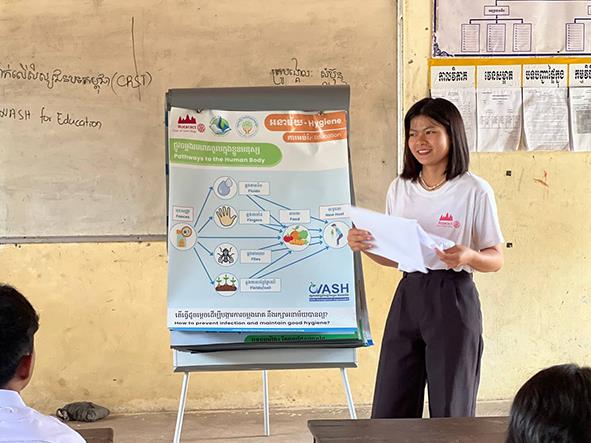
To promote lasting change, WASH education workshops were delivered by the Rotaract Club of Siem Reap in partnership with the Cambodia Rural Students Trust NGO. These sessions empower students with knowledge on hygiene, sanitation, and the prevention of waterborne diseases, helping them take ownership of their health and environment.
Each school has now established a WASH Committee responsible for maintaining the facilities, ensuring sustainability and local ownership. These improvements don’t just enhance sanitation; they foster better health, reduce absenteeism, and create a more dignified learning environment.
 A Model of Sustainable Development
For students in rural Cambodia, education is a pathway to breaking the poverty.cycle. By removing barriers caused by poor sanitation and unsafe environments, this project helps unlock opportunities for brighter, healthier futures.
Community-led solutions grounded in local realities empower those directly impacted. In this case, Cambodian stakeholders — including education authorities and community leaders — have strongly supported practical, context-appropriate initiatives like this project. Their ongoing involvement reflects a shared commitment to student wellbeing and sustainable outcomes.
Through thoughtful partnerships, locally sourced infrastructure, genuine community collaboration and dedicated Rotary partnerships, this initiative stands as a model of effective, sustainable development: rooted in respect for local voices and driven by the wellbeing of students and communities.