An article from Leopoldina Joanna Guterres and Jennie Franklin, Rotary Passport Melbourne
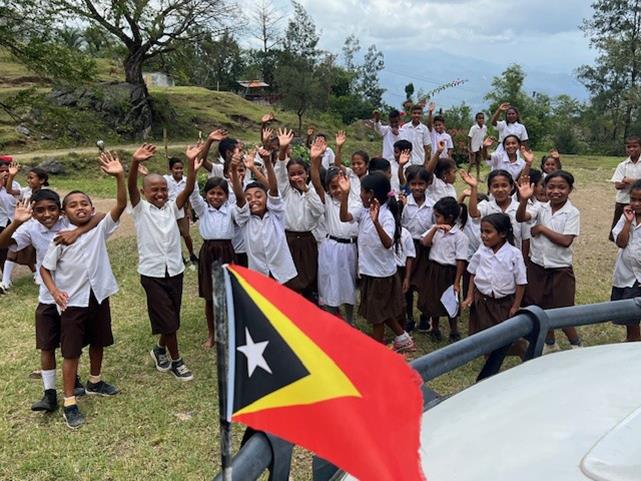
Timor-Leste was colonised by Portugal for more than 450 years before being occupied by Indonesia for 24 years until 1999. Following a United Nations-administered transition period, the nation regained its independence in 2002.
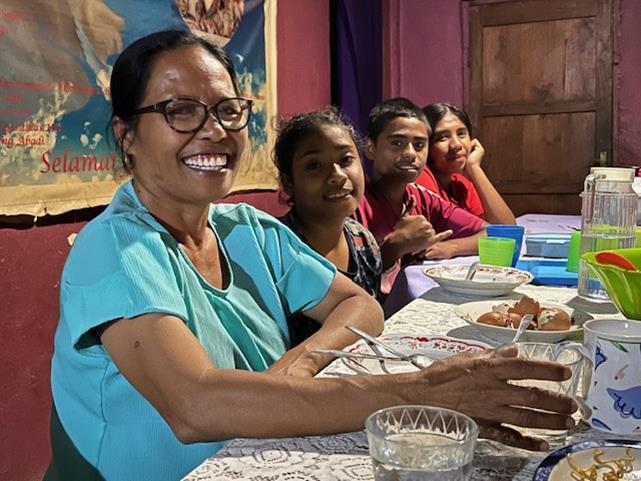 Since then, communities across Timor-Leste have benefited from the support of friendship groups, non-government organisations and international partners committed to helping build a brighter future.
One such partnership is the Friends of Baguia, established through the City of Stonnington in Melbourne, which has worked alongside local communities for many years. Strong relationships have also been fostered through the efforts of Rob and Anna Mills of Australian Volunteers International (AVI), helping to strengthen collaboration between Rotary, Friends of Baguia, Mary MacKillop College in Busselton, Korowa Anglican School, Sacré Cœur School in Melbourne, and several schools within the Parramatta Diocese.
At the heart of this collaboration is Leopoldina, a proud member of Rotary Passport Melbourne (RPM), whose dedication and leadership have helped create opportunities for countless families and students in the Baguia region. She has coordinated numerous projects, including the distribution of school furniture, educational resources and SolarBuddy lights to thousands of students, helping improve learning environments and educational outcomes. She also oversees RPM's scholarship program, which supports the education of local students through secondary school and, more recently, university studies. Through this initiative, young people from rural communities have been given opportunities to continue their education and pursue brighter futures.
The partnership between Rotary, Friends of Baguia and local organisations provides support across education, health, hygiene, water and sanitation, environmental protection and leadership development. Through these programs, community members have gained access to English language learning, computer skills training, health and hygiene education, and environmental awareness initiatives. One notable outcome has been a significant shift in attitudes towards personal and community hygiene, with healthy practices now recognised as an essential part of daily life.
The impact extends beyond infrastructure and education. Rotary and Friends of Baguia have also helped support positive social change. In a society that has traditionally been strongly patriarchal, women and 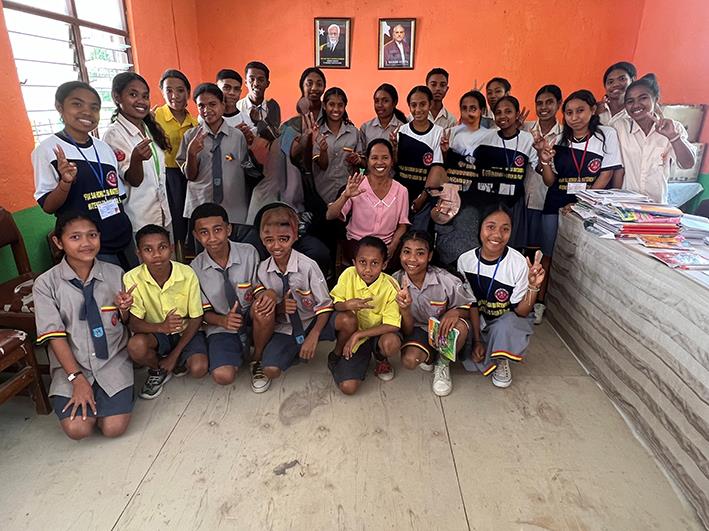 young people are increasingly participating in leadership roles and community decision-making. Access to employment opportunities for women has improved, and families are becoming more engaged in shaping the future of their communities.
As part of the region's ongoing development, Baguia is now working with subsistence farmers through an innovative agroforestry initiative known as WithOneSeed (Ho Musan Ida in Tetum). The program promotes reforestation, environmental education, economic participation and community empowerment, while creating opportunities for sustainable land management and carbon farming.
Additional initiatives include food preservation training, savings and financial literacy groups, farmer cooperatives, community gardens, solar lighting projects and the development of eco-tourism opportunities. These programs help strengthen livelihoods while protecting the natural environment for future generations.
Through ongoing collaboration, the people of Baguia are gaining new skills, improving health and education outcomes, strengthening community leadership and building a more sustainable future. It is a powerful example of how long-term partnerships, friendship and service can create lasting positive change.